
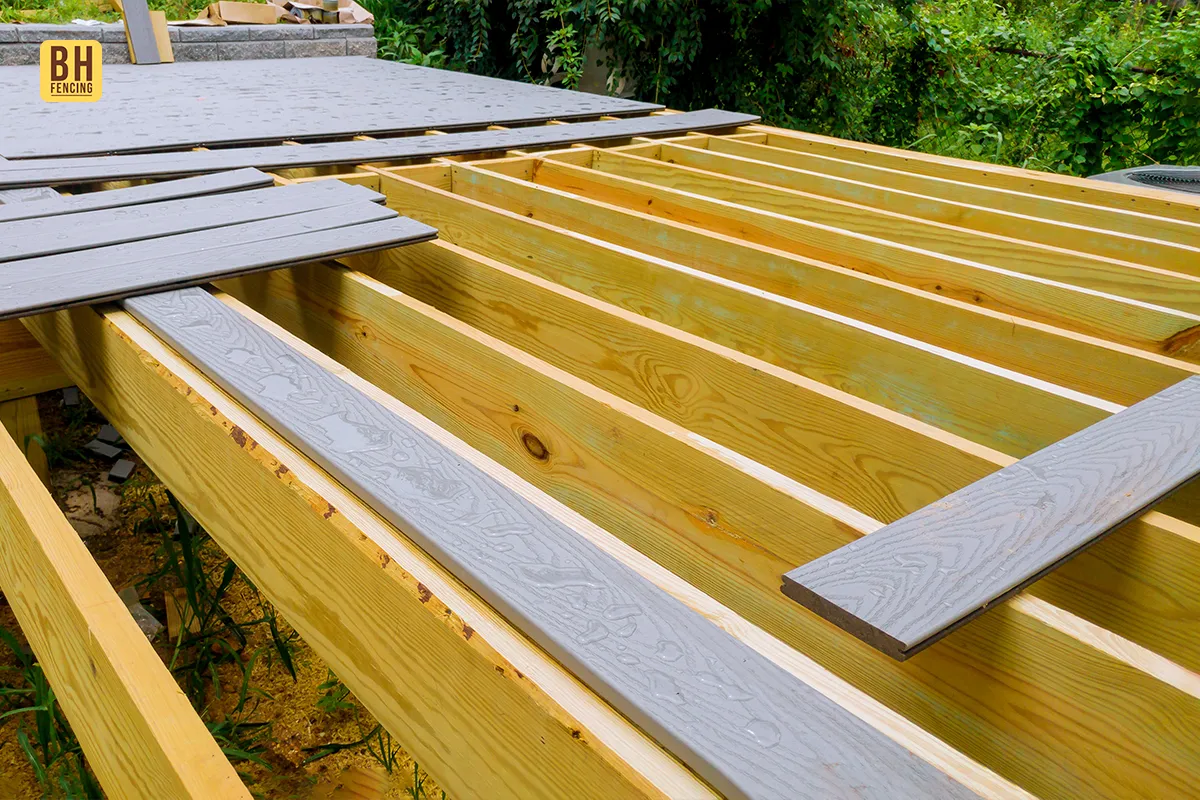
Deck Installation in Ontario: What Actually Determines Whether a Deck Lasts 10 Years or 30
For many Ontario homeowners, June marks the time when deck projects transition from idea to action. The weather stabilizes, backyards dry out, and outdoor living becomes a priority. But while summer is the most popular time to build a deck, it’s also when many long-term mistakes quietly get locked into place.
The difference between a deck that lasts ten years and one that performs safely for thirty isn't about appearance. A ten-year deck looks fine; a thirty-year deck is built fine. The key lies in what happens below the surface: the footings, the framing, and how the structure copes with Ontario's soil and climate challenges over the years.
A well-built deck is not just an outdoor platform. It is a structural extension of your home, and in Ontario, structure always takes precedence over appearance.
Why Most Deck Problems Don’t Show Up Until Years Later
One of the biggest misconceptions about deck installation in Ontario is that poor workmanship reveals itself immediately. In reality, many decks appear perfectly sound for the first few seasons. Railings feel solid, boards lie flat, and stairs seem secure.
Then subtle changes begin.
Posts shift just enough to affect the level. Water starts pooling where it never did before. Fasteners loosen, doors leading onto the deck bind, and steps feel slightly uneven. These issues rarely originate from the decking boards themselves. Almost always, they trace back to footing depth, soil movement, or drainage beneath the structure.
Ontario’s freeze–thaw cycles are the primary driver. Moisture in the ground freezes, expands, and lifts structural elements. When it thaws, the soil does not settle evenly. If deck footings are shallow or poorly drained, that movement transfers directly into the deck above.
According to the Canada Mortgage and Housing Corporation (CMHC), repeated moisture exposure and poor drainage are among the leading causes of long-term structural movement and deterioration in exterior structures like decks.
By the time homeowners notice a problem, the deck isn’t failing, it’s responding exactly as physics dictates.
💡 Pro tip: If a deck feels solid in summer but shifts or squeaks after winter, that’s a structural warning sign, not normal aging.
Deck Footings in Ontario: The Real Determining Factor of Longevity
No element influences deck lifespan more than the footings.
In Ontario, deck footings must be designed around frost depth, soil composition, and seasonal moisture changes. A footing depth that works in one area can fail completely just a few kilometres away. Clay-heavy soils retain water and expand aggressively, while sandy soils drain faster but can shift laterally when saturated.
The National Building Code of Canada notes that foundations and footings must extend below frost depth to prevent movement caused by freezing and thawing soil conditions.
This is why experienced deck installation professionals avoid one-size-fits-all depths. Proper deck construction adapts footing depth, spacing, and base preparation to the specific property. Posts are set deep enough to resist frost movement, and drainage is planned so water does not collect around structural supports.
At BH Fencing, this structure-first approach is the foundation of every project. Our deck installation services are designed specifically for Ontario soil and frost conditions, not generic building assumptions.
Decks that last decades are not overbuilt. They are correctly engineered from the ground up.
Pressure-Treated vs Composite Decks: Longevity Is About Use, Not Hype
Homeowners often view deck materials as a durability contest. Composite is marketed as maintenance-free, while pressure-treated wood is seen as a budget compromise. The reality is more balanced.
Pressure-treated wood decks perform extremely well in Ontario when installed correctly and maintained periodically. They integrate well with traditional framing systems, handle structural loads effectively, and can last decades when sealed and ventilated properly.
Composite decking offers consistency. It resists moisture absorption, insect damage, and fading, making it ideal for homeowners who prefer minimal upkeep. However, composite materials still rely entirely on proper framing and footing design. No surface material can compensate for structural shortcuts.
The right choice depends on how the deck will be used, exposure to moisture, maintenance preferences, and overall property conditions—not trends.
A Story We See Every Summer: When a “Good-Looking” Deck Isn’t a Good Deck
Every June, we meet homeowners who love their deck—until they don’t.
One recent project involved a composite deck that looked immaculate from the surface. Boards were in excellent condition, railings were straight, and nothing appeared out of place. The problem only became noticeable when walking across it. There was a slight slope toward the house and a subtle bounce underfoot.
The deck had been installed only five years earlier. The issue wasn’t materials but the footings. Posts had been installed too shallow in moisture-heavy soil without proper drainage. Over successive winters, frost movement lifted them unevenly.
The deck didn’t fail suddenly. It shifted gradually until safety became a concern. Ultimately, the structure had to be rebuilt, not resurfaced, because structural integrity cannot be fixed cosmetically.
Multi-Level and Ground-Level Decks: When Design Meets Soil Reality
Multi-level decks and ground-level decks are increasingly popular across Southwestern Ontario, especially on sloped properties and walk-out basements. These designs add usable space and visual appeal, but they demand precise planning.
Each elevation change introduces additional load paths, more footings, and complex drainage considerations. Ground-level decks, while appearing simpler, often sit closer to moisture-heavy soil zones, making airflow and footing placement critical.
Successful deck design works with the land, not against it. This is where professional planning makes the difference between a deck that performs well and one that slowly shifts out of tolerance.
Why Local Experience Changes Everything
Deck installation is not a generic service. Soil conditions vary dramatically across Norfolk County, Brant County, Oxford County, Haldimand, and Hamilton—even within the same municipality.
Local experience informs decisions about footing depth, spacing, drainage planning, and material performance. It also ensures compliance with municipal requirements and reduces the risk of inspection delays or costly revisions.
This same local expertise is why BH Fencing applies a consistent structural philosophy across all services, including fence installation and post hole digging. Structures that rely on the ground must be designed for how that ground actually behaves.
The Hidden Cost of Rushing a Summer Deck Project
June demand often pressures homeowners into quick decisions. Contractor schedules fill, material availability fluctuates, and timelines shrink.
Rushed projects typically lead to rework. Posts need reinforcement, stairs require adjustment, and drainage issues surface after heavy rain. These fixes are rarely cheap.
Planning early allows time to assess soil conditions properly, select appropriate materials, and schedule installation when conditions are most stable. The decks that last the longest are rarely the fastest builds.
What Actually Determines Whether a Deck Lasts 10 Years or 30
Longevity is not accidental. Decks that perform well over decades share a few consistent traits.
✅They are built with footings designed for local frost depth.
✅They account for soil movement and drainage patterns.
✅They use materials selected for the property’s environment.
✅They are installed by teams with real regional experience.
A deck should be viewed as a long-term structural investment, not a seasonal upgrade. When built correctly, it becomes one of the most valuable and enjoyable extensions of a home.
FAQ: Deck Installation in Ontario
How deep should deck footings be?
Most Ontario decks require footings at least 4 feet deep to sit below the frost line and prevent shifting. Depth can vary based on soil and drainage conditions.
Do I need a permit to build a deck?
Often yes—especially if the deck is attached to your home or raised above grade. Check local municipal requirements before building.
Composite or pressure-treated: which lasts longer?
Both can last decades. Lifespan depends more on footings, framing, and drainage than the surface material.
Why do decks shift after winter?
Freeze–thaw cycles cause soil to expand and contract. Shallow or poorly drained footings allow posts to move, leading to uneven decks.
When is the best time to build a deck in Ontario?
Summer is peak build season, but spring planning leads to better scheduling, pricing, and long-term performance.
Repair or replace an older deck?
If structural posts or footings are failing, replacement is usually more cost-effective than repeated repairs.
Planning a Deck That Performs for Decades
June is an ideal time to move forward—if planning is done correctly. Evaluating soil conditions, understanding structural requirements, and working with experienced local builders prevent costly surprises later.
Whether you’re considering a pressure-treated wood deck, composite decking, or a multi-level design, success depends on building from the ground up.
If you’re planning a deck project this season, start with an informed assessment rather than assumptions. A properly built deck rewards you every summer. A poorly built one keeps asking for repairs.
👉 Ready to plan your deck with confidence?
Use the BH Fencing quote calculator or request a professional assessment tailored to your property.
